• Welcome
  • Blog
  • Contact
  • Behind The Shorts
  • Old Friends
  • Previous Press
Menu

The Shorts

THE SHORTS
  • Welcome
  • Blog
  • Contact
  • Behind The Shorts
  • Old Friends
  • Previous Press
×

Domino’s new brand refresh with Shaboozey

Rebecca Rothstein October 8, 2025

Domino’s Fresh Slice: Why the 2025 Brand Refresh Hits Different

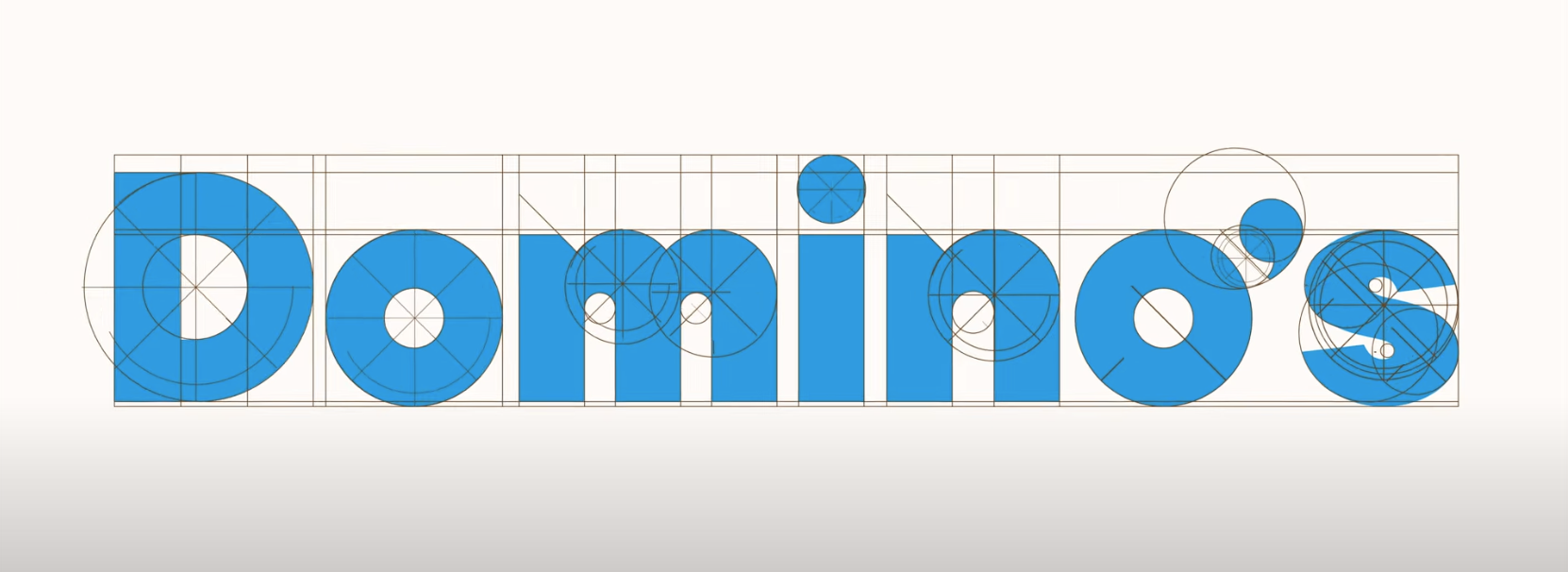
When you see Domino’s new look this fall, it’s more than just a logo update. After 13 years, the pizza powerhouse is introducing a brand refresh that leans into craveability, visibility, and personality. The change reaches far beyond a new sign or color scheme. This is a full-scale reinvention designed to remind people why Domino’s remains one of the most recognizable brands in the world.

What’s Changing

Domino’s has launched its first brand refresh in more than a decade as part of its “Hungry for MORE” strategy. The logo is sharper, the colors are richer, and the entire design feels brighter and more appetizing. The new look includes bolder typography through a custom typeface called “Domino’s Sans,” which features rounded letterforms that subtly echo pizza shapes. This gives the brand a more welcoming and modern feel.

The company also introduced something called the “cravemark.” It adds an audio and visual element that transforms the name “Domino’s” into a sound experience. The phonemic “mmm” in “Dommmmino’s” highlights the sensory appeal of the brand. To bring that to life, Domino’s partnered with artist Shaboozey, whose unique voice and cultural momentum add warmth and energy. His tone gives the jingle a soulful and memorable quality that helps Domino’s connect with younger audiences and music-driven culture.

Beyond the logo and jingle, the refresh extends to every customer touchpoint. The website, app, pizza boxes, employee uniforms, and store interiors have all been redesigned with this new look. Select menu items now arrive in elevated packaging that features black and metallic gold finishes, creating a more premium experience while keeping the brand approachable.

Why It Matters

This refresh is centered on craveability. Every design choice, from the color palette to the sound of the name, is meant to evoke hunger and excitement. Domino’s is shifting focus back to what matters most: delicious food and an engaging brand experience.

The company also managed to strike a balance between its heritage and modern appeal. The iconic red and blue colors remain, as does the familiar domino tile. What’s changed is how those elements appear. They feel cleaner, brighter, and more full of life. It feels like an evolution, not a departure.

In a crowded quick-service landscape, Domino’s is reminding consumers that food is both visual and emotional. Whether you are hearing the new “mmm” jingle or spotting the redesigned pizza box, the refresh creates a consistent and craveable experience across every platform.

What Works and What Might Be Risky

What Works:

  • The update feels confident and well-timed rather than reactive.

  • The “cravemark” and Shaboozey collaboration bring personality and cultural relevance.

  • Consistency across digital, physical, and audio branding strengthens recognition.

What Might Be Risky:

  • Some loyal customers may resist change to a familiar logo.

  • The rollout needs to be executed evenly across stores and regions to maintain brand integrity.

  • The jingle could feel polarizing if overused or taken too literally.

The Short of it

Modern branding is no longer just visual. It involves every sense, from sight to sound to emotional resonance. The collaboration with Shaboozey shows how a brand can use music and voice to connect authentically with its audience. When sound becomes part of brand identity, it builds recognition and emotional connection faster than visuals alone.

The key takeaway is that evolution can be bold without breaking tradition. Domino’s kept its familiar essence while turning up the flavor and energy for today’s digital-first audience.

When the Ad Is About Making an Ad: Beats’ “They Stay in Your Ears” Campaign

Rebecca Rothstein October 6, 2025

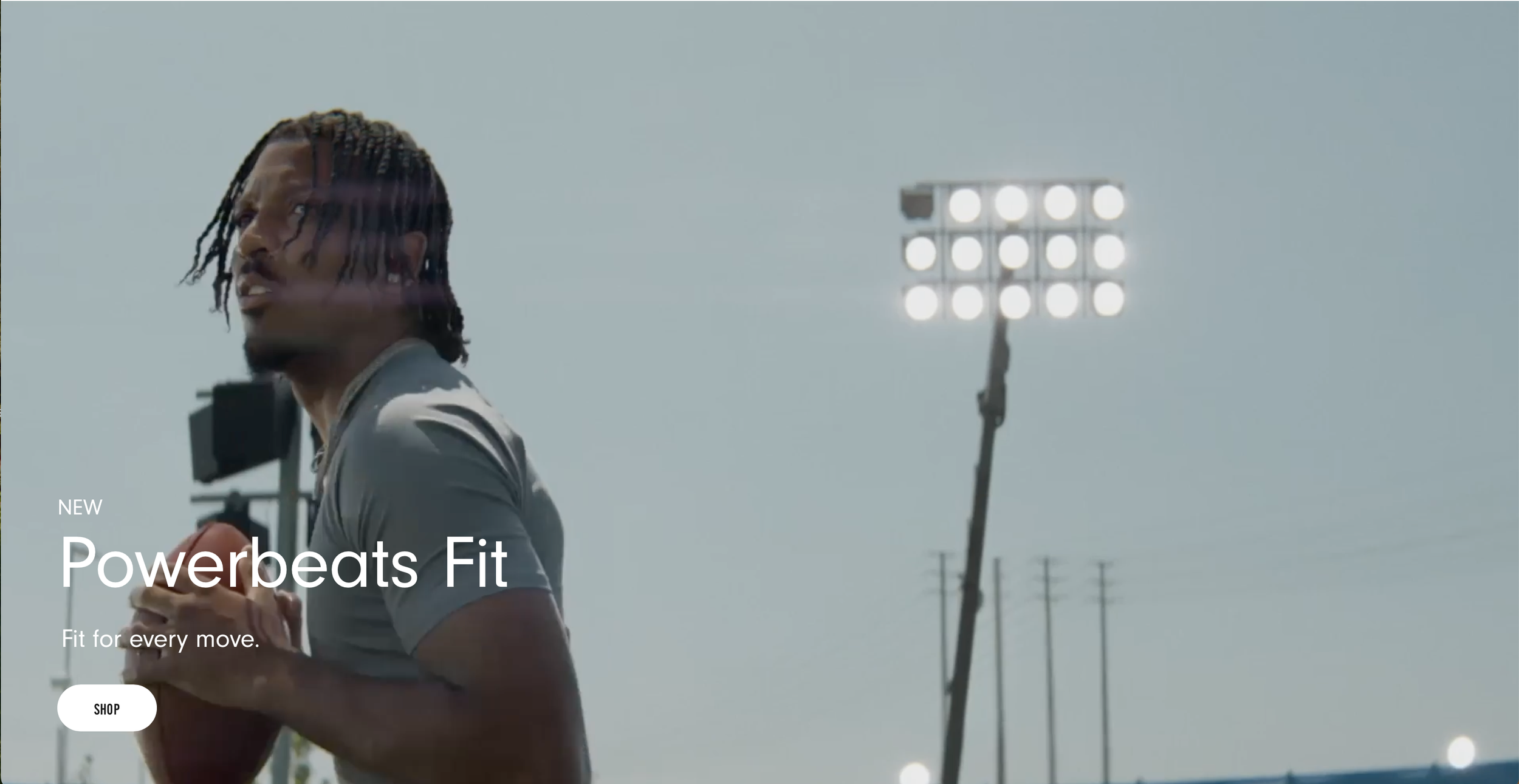
Every so often, a commercial comes along that doesn’t just promote a product but reflects on the nature of advertising itself. That’s exactly what Beats and creative agency Mirimar achieved with their new Powerbeats Fit campaign, “They Stay in Your Ears.” The spot places star athletes inside a mock audition, rehearsing for a commercial while showing off the earbuds’ biggest selling point: they actually stay put. It’s clever, funny, and a little meta, especially for anyone who works in the ad world.

What the Ad Does

The three-minute spot stars Saquon Barkley, Justin Jefferson, and Jayden Daniels as they compete for a role in a Beats commercial. Their challenge? Perfectly deliver the single line, “They stay in your ears.”

We watch them rehearse, test the earbuds through workouts, stumble through lines, and joke their way through the process. It’s part behind-the-scenes mockumentary and part product demo. The concept highlights both the product’s performance and the athletes’ personalities, all while poking fun at the ad-making process itself. In the end, Daniels wins the part while the others fumble, giving the campaign a clear punchline that feels both playful and on-brand.

Why It Feels Meta to the Ad Industry

For those who work in marketing or production, this campaign hits a little differently. It’s a commercial about making a commercial, complete with auditions, direction, and all the chaos that comes with it. Watching it feels like seeing your own world reflected back through a sleek, tongue-in-cheek lens.

There’s something oddly satisfying about the transparency. Beats is showing the machinery of advertising while still delivering a polished final product. It’s confident and self-aware, the kind of approach that says, “We know this is an ad and we’re in on the joke.”

Why It Works (and What It Risks)

What Works

  • Strong storytelling with product integration: The narrative reinforces the earbuds’ promise by showing them perform under pressure.

  • Humor and star power: Famous athletes in an audition setting bring personality and lightness to the message.

  • High shareability: The ad’s structure invites commentary within both pop culture and creative circles.

  • Smart balance of tone: It’s funny, sharp, and self-aware without feeling smug.

What Could Be Risky

  • The meta setup might go over some viewers’ heads if they don’t recognize the “ad within an ad” concept.

  • A few might remember the humor more than the product.

  • The mockumentary tone could feel too niche if not executed perfectly.

What Marketers Can Learn

This campaign shows how powerful it can be to tell stories about the creative process itself. When done well, that transparency builds intrigue rather than distraction. It also demonstrates how meta storytelling can make a brand feel modern and culturally aware without losing sight of its core message.

For creators, it’s a reminder that the best work doesn’t always come from reinventing the wheel, sometimes it’s about reframing the process and inviting the audience behind the curtain.

The Short of it

Beats’ “They Stay in Your Ears” is more than a clever tagline. It’s a layered story about performance, confidence, and craft. For those in the ad world, it’s a wink to the process we all know too well. And for viewers, it’s a smart, funny campaign that turns a simple product truth into something memorable.

Understanding Generations: From Boomers to Gen Alpha

Rebecca Rothstein September 30, 2025

Generations shape the way we see the world, the way we communicate, and even the way we spend our money. For marketers, business leaders, and everyday observers of culture, knowing the differences — and similarities — across age groups can be incredibly powerful. Let’s take a closer look at the main generational cohorts influencing today’s conversations.

Baby Boomers (born 1946–1964)
Boomers grew up in a post-war era of growth and optimism. They are known for their work ethic, loyalty, and value placed on stability. Many are now retired or nearing retirement, but they continue to hold significant buying power and are highly engaged consumers when it comes to travel, healthcare, and financial services.

Generation X (born 1965–1980)
Often called the “middle child” of generations, Gen X values independence and practicality. They grew up with both analog and digital experiences, making them adaptable and resourceful. This group tends to be skeptical of traditional advertising but deeply loyal once trust is earned.

Millennials (born 1981–1996)
Millennials came of age during the rise of the internet and social media. They are tech-savvy, community-driven, and prioritize experiences over possessions. This generation values authenticity from brands and tends to align their spending with their values. As they move deeper into their peak earning years, their influence continues to grow.

Generation Z (born 1997–2012)
Digital natives from the start, Gen Z has never known a world without smartphones and streaming. They are socially conscious, entrepreneurial, and quick to adopt new platforms. Short-form video and interactive content are second nature to them, and they expect brands to not just sell, but to stand for something.

Generation Alpha (born 2013–present)
The youngest generation is still taking shape, but already they are surrounded by technology, AI, and highly personalized digital experiences. Alphas are being raised in a world where global connection and innovation are constants. While their consumer behaviors are still emerging, they are set to be the most tech-integrated generation yet.

The Short of it
Understanding generational differences isn’t about boxing people in — it’s about recognizing context. Each group has been shaped by the events, technology, and culture of their formative years. For businesses and brands, speaking to these groups effectively means meeting them where they are, respecting their values, and acknowledging what makes them unique.

The Rise of Panoramic Reels on Instagram: Cinematic Strips in a Vertical World

Rebecca Rothstein September 26, 2025

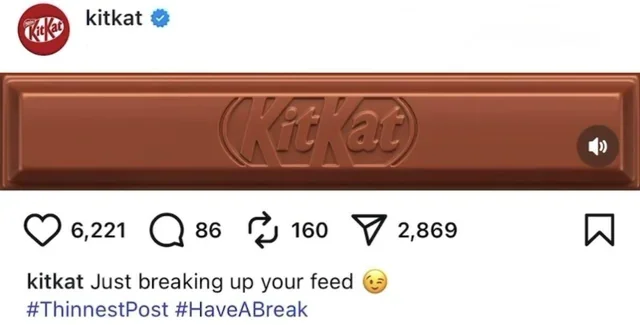
Instagram has trained us all to scroll through endless vertical videos. But now, a new format is breaking that mold: panoramic or ultra-wide Reels. These are striking, cinematic strips of video that cut through the noise, grabbing attention simply by looking different. And some brands are already showing how effective this format can be.

What Are Panoramic Reels?

Panoramic Reels use an ultra-wide aspect ratio (like 5120×1080) to create a long, narrow strip of content across the screen. Instead of filling the vertical frame, these Reels look like a scene from a film or a moving billboard. The effect is surprising, sleek, and undeniably eye-catching.

Why People Are Loving the Trend

  • Pattern disruption: In a feed dominated by vertical clips, a wide strip instantly stands out.

  • Cinematic storytelling: Even simple moments look elevated when presented in widescreen.

  • Creative re-framing: Brands can repurpose existing footage, crop it differently, and give it new life.

The Short of it

The panoramic Reel is more than a passing experiment — it’s proof that sometimes the smallest shift in framing can change everything. For brands looking to stand out, adopting this style early could mean higher engagement and a stronger visual identity.

The Art and Craft of Super Bowl Ads

Rebecca Rothstein September 26, 2025

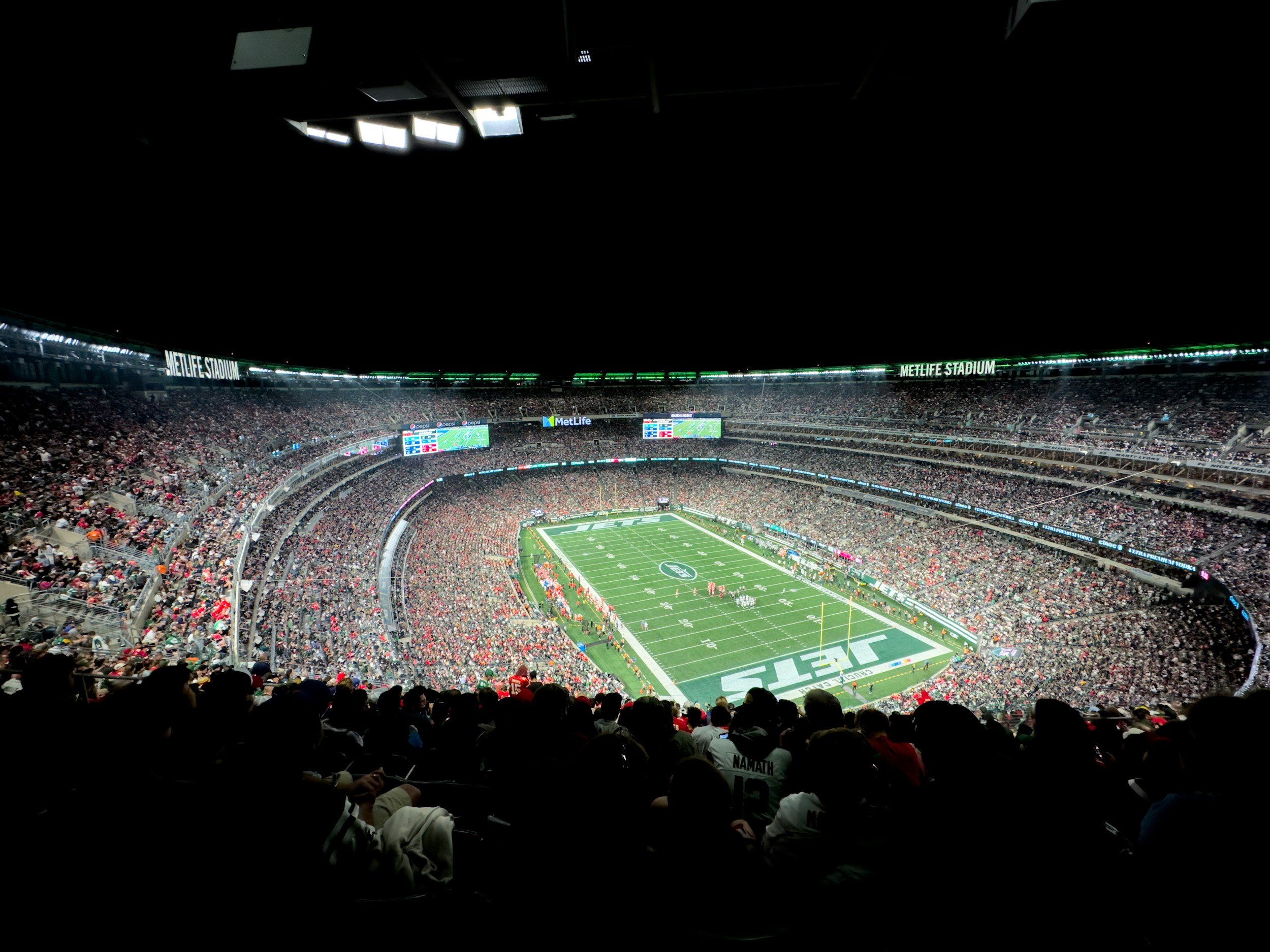
The Super Bowl may be the biggest sporting event of the year, but for many people, the commercials are just as exciting as the game itself. These ads aren’t just 30-second spots — they’re cultural moments, created with the kind of care and creativity usually reserved for blockbuster films.

The Creative Spark
Every great Super Bowl ad starts with a big idea. Whether it’s humor, nostalgia, or heart, the goal is to create something memorable enough to stand out on one of the most competitive advertising stages in the world. Brands know they have only seconds to capture attention, so the concepts are often bold, emotional, or unexpected. A talking animal, a celebrity cameo, or a touching storyline — the creative execution has to be sharp and universally engaging.

Production Value at Its Peak
Super Bowl ads are famous for their cinematic quality. Productions often rival Hollywood movies, with elaborate sets, custom music, and A-list directors. Many brands invest millions not just on the airtime, but on the actual production itself, knowing that flawless visuals and storytelling are essential to justify the moment. From high-end cinematography to special effects, these spots are designed to look and feel like short films.

The Pressure of the Spotlight
What makes these ads different from others is the sheer weight of expectation. Hundreds of millions of people are watching, and reactions are instant, shared in real time across social media. That means every detail — casting, music, timing, and even the emotional tone — has to be carefully calibrated. A misstep can spark criticism just as quickly as a clever moment can go viral.

Beyond the Game
What’s unique about Super Bowl commercials is that they live far beyond the broadcast itself. Teaser campaigns, behind-the-scenes content, and post-game discussions extend their reach. The production teams know they aren’t just making a one-off ad — they’re creating cultural content that will be rewatched, shared, and debated for weeks, if not years.

The Short of it
Super Bowl ads highlight the very best of creative marketing and production. They’re proof of what happens when imagination meets investment, and when storytelling is elevated to an art form. For audiences, they’re entertainment. For brands, they’re a chance to make history in less than a minute.

AI-Driven Personalization: The Future of Customer Experience

Rebecca Rothstein September 25, 2025

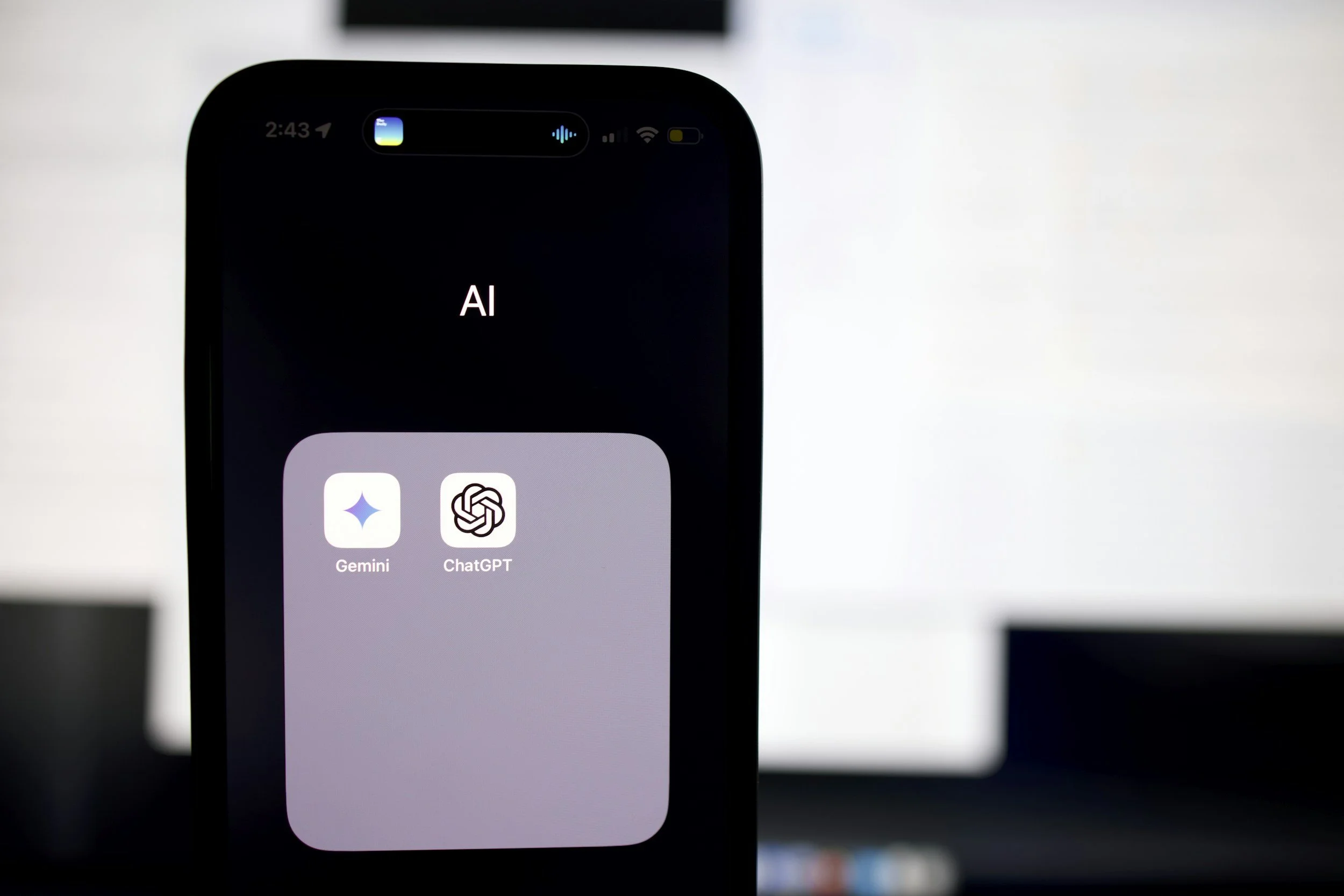
If there’s one marketing trend that’s impossible to ignore in 2025, it’s AI-driven personalization. Consumers are no longer satisfied with one-size-fits-all campaigns. They want brands to understand their preferences, anticipate their needs, and deliver experiences that feel uniquely designed for them. That’s where artificial intelligence is stepping in.

What It Means
AI-driven personalization uses data, machine learning, and predictive models to deliver content, product recommendations, and experiences tailored to individual users. Instead of broad demographic buckets, AI looks at real behaviors and adapts in real time. From personalized emails to dynamic website content, AI makes it possible to speak to customers on a one-to-one level.

Why It Matters
Personalization builds trust, loyalty, and stronger connections. It makes consumers feel seen and valued, which translates into higher engagement and better conversion rates. But it’s not just about sales. Done right, AI personalization enhances the customer experience in ways that build long-term brand equity.

How It’s Showing Up

  • Streaming platforms recommending your next favorite show

  • Online retailers curating shopping pages unique to your browsing habits

  • Brands adapting social ads based on real-time engagement patterns

The Short of it
AI-driven personalization is no longer futuristic — it’s here, and it’s quickly becoming the norm. Brands that embrace it thoughtfully, balancing innovation with respect for privacy, will be the ones that stay ahead.

When a TikTok Joke Became a Brand Win: The “Anthropologie Rock” Trend

Rebecca Rothstein September 24, 2025

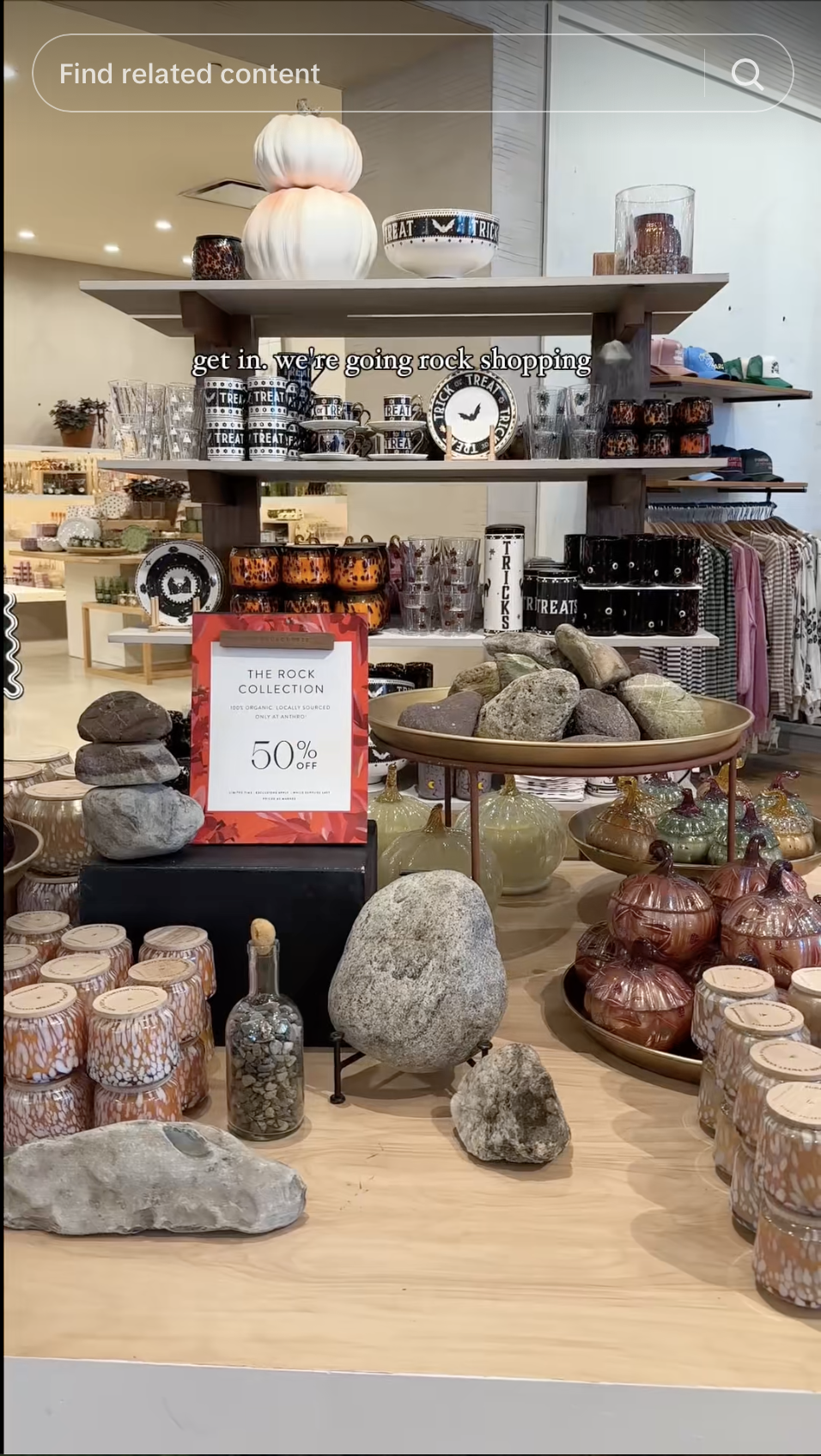
Sometimes a trend starts as a joke—and then becomes something much bigger. That’s exactly what happened recently with the “Anthropologie rock” TikTok videos. It began with creators pretending they bought a rock from Anthropologie—yes, a literal stone—for $150 (or more), capturing reactions from friends, partners, and families. The internet exploded. Confusion, laughter, disbelief. And Anthropologie? They didn’t hide. They leaned in.

What the Trend Was

  • It started with Phoebe Adams uploading a video in which she “unboxes” what seems like an ordinary rock, saying she bought it from Anthropologie. Her partner’s reaction (“You spent how much on a rock?”) captured exactly the blend of absurdity and brand culture people expected.

  • The prank continued: people filmed loved ones’ shocked expressions, joking about “$1,000 rocks” in store. It grew fast. Millions saw it. The “Anthro rock” became shorthand for those bizarre, borderline believable Anthropologie decor prices.

How Anthropologie Responded (and Why It Worked)

  • Instead of ignoring or condemning the trend, Anthropologie joined in. They posted videos joking about their own “rock collection” priced outrageously (think “$1,000 rocks” with 50% off signs), playing on the absurdity of the idea.

  • They leaned into what people already believed about their brand: that some home items are quirky, decorative, and pricey. Because let’s face it: Anthropologie has a reputation for whimsical, artistic, and “boho-home” decor where customers sometimes wonder, “Well, maybe that is expensive just because it is unique.” The brand’s identity made the prank believable—and that gave Anthropologie space to respond with humor.

Why This Trend Resonated (and What It Taught Us)

  • Believability + surprise: The reason people laughed so hard (and also so hard rolled their eyes) is that Anthropologie feels like the sort of place that could sell a $150 rock. So the prank worked because it played on brand perception.

  • Humor + authenticity: By leaning into the joke rather than acting defensive, Anthropologie showed a kind of self-awareness that people respect. The brand didn’t act out of outrage or damage control. They embraced the absurdity. That builds affinity.

  • Trend mastery: Anthropologie’s response turned the trend into a secondary opportunity—engagement, buzz, conversation. The trend was free advertising. Every share, every parody, every knock-off video drove attention back to them.

Takeaways for Brands and Marketers

  • If your brand has strong identity quirks (price, style, aesthetic), people will riff on them. Sometimes those riffs become viral. Staying rigid or denying them can feel tone-deaf.

  • Leaning in with humor can be powerful—but timing, tone, and knowing your audience matter. Anthropologie lined up the response quickly and in their voice.

  • These moments can reinforce brand positioning. Anthropologie didn’t need to defend being eccentric or pricey—they already were. This trend helped underline that image, for better or worse, in a playful way.

The Short of it

The “Anthropologie rock” trend is a reminder that in social media, culture is created by everyone—not just brands. Sometimes being a part of the joke is better than trying to shut it down. Anthropologie’s embrace of the trend shows how a brand can transform what could be mockery into charm, engagement, and even loyalty. It’s weird, it’s funny, and it reveals something true: authenticity, humor, and good timing still matter more than perfection.

And here’s their TikTok that is blowing up the internet. Enjoy!

Answer Engine Optimization: Marketing Beyond Search

Rebecca Rothstein September 24, 2025

With AI assistants and chatbots becoming the way many people “search,” a new discipline is emerging: Answer Engine Optimization (AEO).

What It Means
Instead of typing keywords into Google, people now ask Siri, Alexa, or ChatGPT-style engines for answers. AEO is about structuring your content so these platforms can find it, understand it, and serve it back clearly.

Why It Matters
Traditional SEO is still important, but AEO positions your brand to show up in the next wave of search — direct answers. That means visibility where people are shifting their attention.

How It’s Showing Up

  • FAQ-rich content designed for conversational queries

  • Schema markup that makes content more “answer-friendly”

  • Brands tailoring copy to natural language rather than robotic keyword strings

The Short of it
Search isn’t disappearing. It’s evolving. Optimizing for answers now ensures your brand remains discoverable tomorrow.

← NewerOlder →

Search Posts

No results found
Archive Block
The page connected to this block was deleted. Double-click here to select a different page, or check the recycle bin for the deleted page. Learn more
Post Archive
  • Adventures
  • Spotlight
 

Featured Posts

Featured
June 4, 2026
Everlane and Shein: A Branding Cautionary Tale
June 4, 2026
June 4, 2026
June 3, 2026
How to Make Your Brand Feel Human on Social Media
June 3, 2026
June 3, 2026
April 14, 2026
Pinterest at Coachella
April 14, 2026
April 14, 2026
April 8, 2026
The Devil Wears Prada 2- Culture as Campaign
April 8, 2026
April 8, 2026
January 29, 2026
When a Tweet Goes Too Far: What the Deleted Ritz Crackers Post Tells Us About Brand Voice
January 29, 2026
January 29, 2026
January 6, 2026
What to Expect from Super Bowl Ads This Year
January 6, 2026
January 6, 2026
December 3, 2025
Creativity Is Not a Commodity
December 3, 2025
December 3, 2025
November 27, 2025
Everlane’s New Logo: A Fresh Look for a New Chapter
November 27, 2025
November 27, 2025
November 20, 2025
The Rise of Tween Skincare: Why the Best Trend Might Be Letting Kids Be Kids
November 20, 2025
November 20, 2025
October 31, 2025
The Evolution of Halloween Marketing: From Candy Craze to Pop Culture Phenomenon
October 31, 2025
October 31, 2025