• Welcome
  • Blog
  • Contact
  • Behind The Shorts
  • Old Friends
  • Previous Press
Menu

The Shorts

THE SHORTS
  • Welcome
  • Blog
  • Contact
  • Behind The Shorts
  • Old Friends
  • Previous Press
×

Taking the Leap: My First Weeks as a Agency Founder

Rebecca Rothstein October 21, 2025

After years of working inside a large corporation, I’ve just stepped into something completely new: running my own marketing consulting business. I’m still setting up systems, processes, and even the basics of what my day-to-day will look like. But in these first weeks, one thing is crystal clear, the freedom of being my own boss feels incredible.

The Difference Already
Inside corporate life, there was structure, stability, and a path forward. But there was also red tape, Now, every decision starts and ends with me. I set the priorities, I choose the direction, and I get to build something from the ground up that reflects my own vision. That sense of ownership is exhilarating.

The Feeling of Freedom
It’s the little things that make it feel so different. Designing my own schedule. Choosing the tools and systems that work best for me. Setting goals that are about impact rather than politics. Every day brings a reminder that I’m no longer climbing someone else’s ladder, I’m building my own. There’s pressure, of course, but it’s paired with a freedom I didn’t realize I was missing. I also can use Google and not married to Teams! HOORAY!

All In on Myself
The most exciting part of this transition is knowing I’m “all in” on me. I’ve bet on my skills, my experience, and my vision for how marketing should be done. There’s no safety net of a big organization behind me, and that’s both scary and liberating. Instead of wondering if I can do this, I’m choosing to trust that the years I’ve spent learning, leading, and creating have prepared me for exactly this moment.

The Short of it
I know there’s a long road ahead, with challenges I can’t yet see. But right now, in these early days, I’m energized by possibility. This is a chance to write my own story, to shape the kind of work I want to do, and to build something that’s entirely mine. And for the first time in a long time, I feel not just like a marketer, but like an entrepreneur.

When Parenthood Becomes Teamwork: Huggies’ “Do It for the Team” Campaign

Rebecca Rothstein October 16, 2025

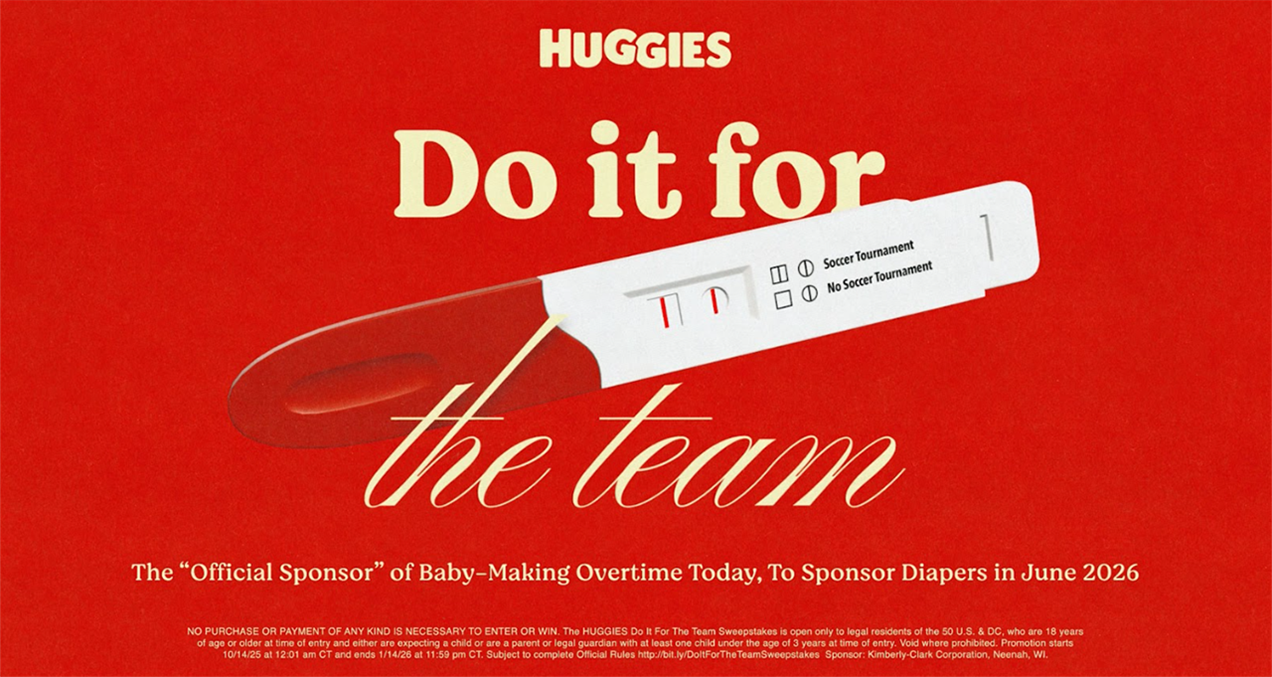
Yesterday, when Huggies released their “Do It for the Team” campaign, it didn’t feel like a baby brand pushing diapers. The message lands deeper. It celebrates the caregivers, the partnerships, the nights when one parent steps forward so the other can rest. It also flirts with something more provocative, the idea of “baby making” as part of a shared journey.

A Bold Move: Ten Minutes in a Short-Content World

In an era when attention is currency, Huggies went all in with a full ten-minute film. That’s an audacious choice. The pacing gives space for scenes that breathe, for real moments to land. It’s slow, deliberate, and emotionally rich. Against feeds saturated with brief, snappy videos, this ad asks viewers to stop, watch, and feel.

But there’s more beneath that emotional weight. The campaign subtly implies the sensual side of partnership, the “baby making” undertone. Timing matters. With the World Cup coming in nine months, the film nods to both celebration and creation. It becomes not just a parenting narrative but a campaign with timing, intention, and a wink to what might be next. Indeed, the link between parental leave, family planning, and major global events (like a tournament) gives the campaign an extra layer of strategy and cultural resonance.

What the Ad Shows

We begin in the small moments: the low light, insomnia, shared touches, tired hands, night shift caregiving. The imagery is intimate without being explicit. The camera lingers just long enough to let emotional subtext register.

Later, we see coordinating, team effort, moments of rest, and unspoken support. The phrase “Do It for the Team” lands not just as encouragement for caregivers but also as an acknowledgment of partnership, sacrifice, and the unglamorous love behind raising a family.

Why It Resonates

Huggies has tapped into something deep. Parenthood is often framed as responsibility, logistics, sacrifice. This film reframes it as a shared journey, with love, sensuality, and future hopes intertwined.

By hinting at the “baby making” timing aligned with major events, like the cadence of sports seasons or leave policies, the campaign takes on a cultural voice. It’s not just about a product. It’s about life, rhythm, moments, planning, and intimacy.

Inclusivity remains strong. “The Team” can be any configuration — partners, siblings, extended network. That flexibility means more people see themselves in the story, and that anonymous “team” becomes personal.

What Works & What to Watch

What Works

  • Emotional authenticity paired with subtle sensuality and future framing

  • A message that blends branding with narrative and cultural timing

  • Universality in how relationships and support systems are shown

  • Boldness in format and pacing — ten minutes demands attention

What to Watch

  • In social feeds packed with quick content, viewers may skip over it

  • If the product tie-in isn’t clear, the message can feel like a short film more than a brand statement

  • The sensual implication must tread carefully; it should feel elegant, not forced

Takeaways for Marketers & Creators

  • A campaign can carry more than one message. Parenting, love, strategy, timing — when layered well, it adds depth.

  • Subtext can be powerful when aligned with broader cultural moments (sports seasons, leave policies, life planning)

  • Giving people space to feel, not just see, can make a brand message more memorable

  • Sensuality and authenticity can coexist. You can talk about “baby making” without turning into something crass, as long as tone and visual restraint remain strong

The Short of it

Huggies’ “Do It for the Team” pushes the boundaries of what a consumer packaged-goods campaign can do. It honors the caregivers, it nods to the silent work of partnership, and it weaves in sensual promise without losing brand integrity. In doing so, it becomes more than a diaper ad. It becomes part story, part invitation, part life moment. And in a world of fleeting content, that layered intent is its most magnetic asset.

When Album Drops Become Events: The Art and Science of 'The Life of a Showgirl'

Rebecca Rothstein October 14, 2025

Taylor Swift’s latest era is not just about music. It is about narrative, experience, and fandom. With The Life of a Showgirl, she has elevated the album campaign into a cultural spectacle built with cryptic clues, theatrical reveals, and a brand that fans feel deeply invested in.

The Rollout: Strategy in Motion

Swift revealed the album in an unexpected place: Travis Kelce’s New Heights podcast. In a teaser clip, she held a blurred vinyl while her announcement rippled across social media. That single moment became viral content, an album reveal, and a charting event all at once.

Before that, her team planted clues. Profile pictures turned to blurry orange graphics, her website launched a countdown set to 12:12, and she posted a 12-photo carousel in orange outfits from the Eras Tour. Each move created momentum and anticipation.

On release day, she did not simply drop an album. She launched a global cinema event called The Official Release Party of a Showgirl. Fans in theaters got to preview the music video for “The Fate of Ophelia,” along with behind-the-scenes footage, lyric videos, and exclusive reflections from Taylor herself.

Brands responded quickly. As soon as the orange “showgirl” aesthetic was teased, companies pivoted. Reese’s launched color-themed campaigns, Crumbl Cookies made mood boards, and Instacart joked about waiting for the drop like a fan.

Why It Works

1. Audience as Participant
Swift treats fans not just as listeners but as collaborators. By dropping Easter eggs, color cues, and cryptic assets, she activates her audience to solve puzzles, share discoveries, and spread speculation. What could have been a simple album release becomes a participatory event.

2. Controlling the Narrative
Choosing a podcast over traditional media gave her control. She decided when and how to reveal her project, connecting it to both her personal life and cultural relevance.

3. Sensory Branding
The color palette, theatrical visuals, and numerical motifs like “12:12” all serve a purpose. Orange became the visual thread of the era, making the entire brand feel immersive, cohesive, and instantly recognizable.

4. Turning Drops into Experiences
By bringing the album into cinemas, Swift turned listening into a shared event. Instead of streaming quietly, fans gathered in person, building emotional connection and community.

What Marketers Can Learn

  • Build a consistent story across every channel.

  • Turn audiences into participants by giving them reasons to engage and share.

  • Maintain visual and emotional consistency to build strong recognition.

  • Create experiences that extend beyond the product itself.

The Short of it

Taylor Swift’s The Life of a Showgirl is more than an album launch. It is a masterclass in cultural storytelling. Through mystery, visual symbolism, platform strategy, and audience engagement, the campaign became part of the art itself. In a world full of constant content, Tay Tay proves that how you share your story can be just as powerful as the story itself.

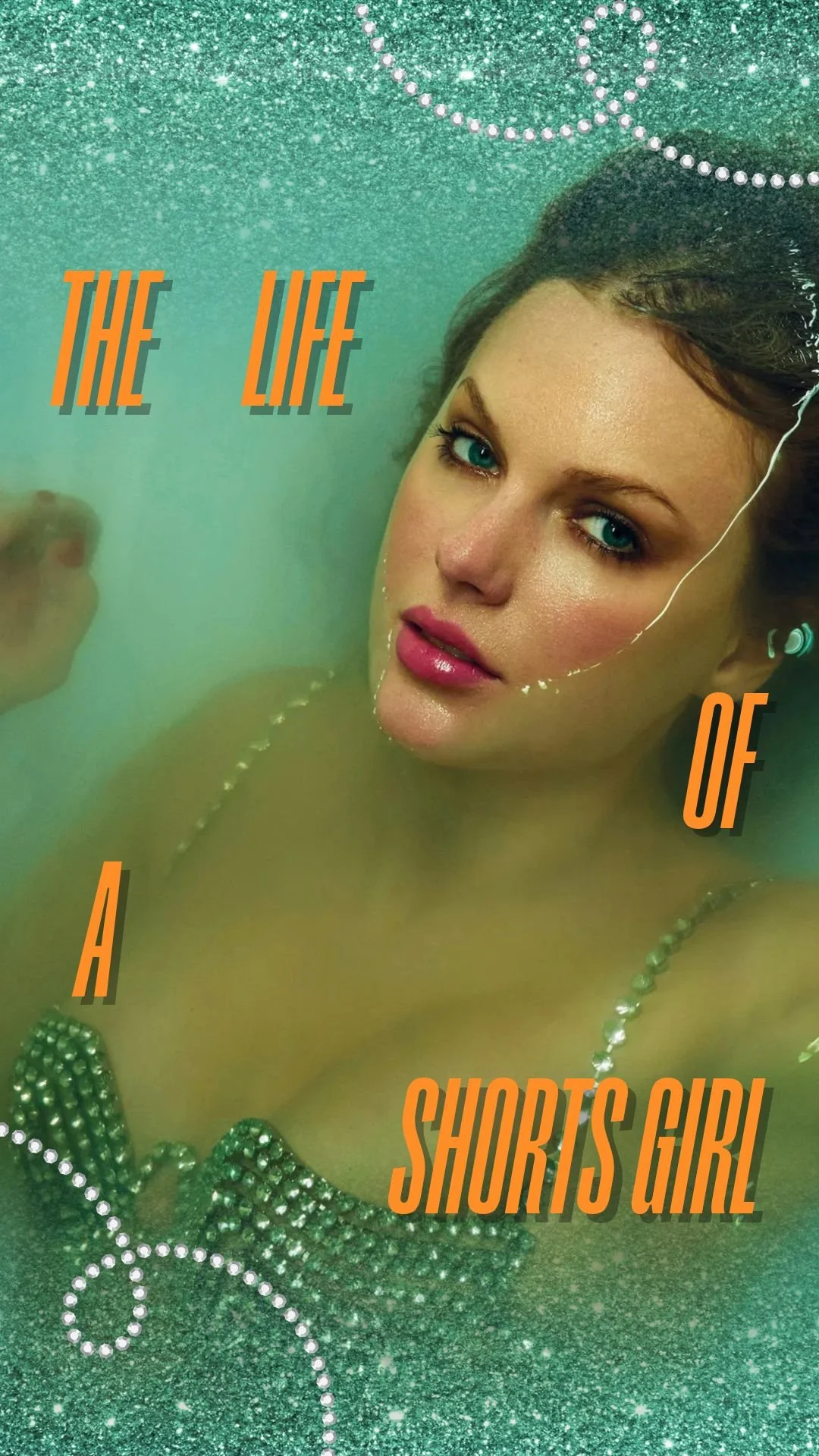
And simply because I can’t help myself… The Shorts just HAD to spoof the album cover, obviously!

Why Jumping on Social Media Trends Still Matters: The Algorithm’s Secret Ingredient

Rebecca Rothstein October 10, 2025

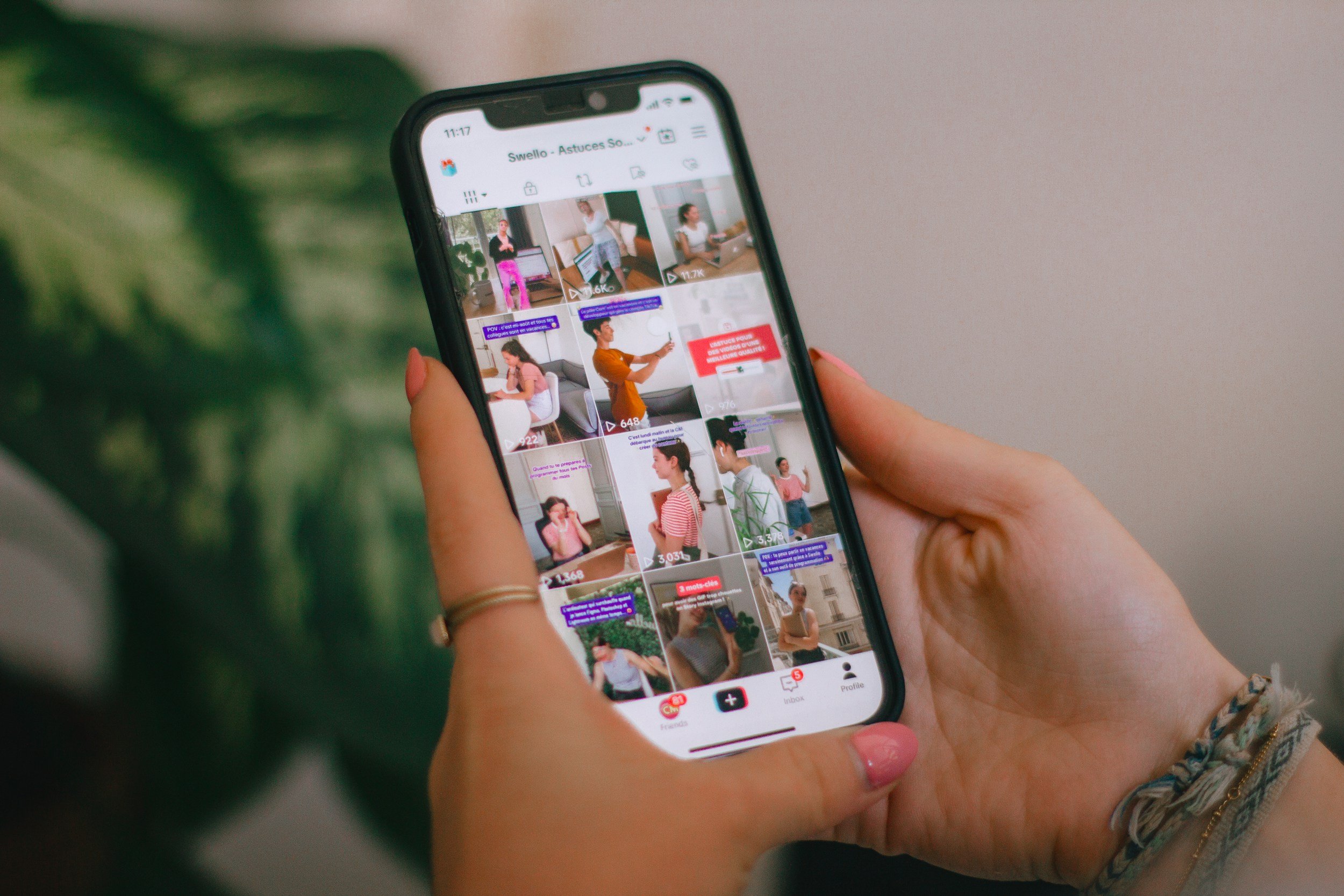
If you’ve spent any time in the content world lately, you’ve probably heard it all: “Don’t chase trends. Be original.” While that advice has truth to it, the other side of the story is just as important. Trends remain one of the most powerful tools for visibility, growth, and engagement in today’s social algorithms. Understanding why they matter can help you use them with more strategy and better results.

What Trends Really Do

Social media platforms like Instagram, TikTok, and YouTube reward content that keeps users engaged. When a sound, meme, or format begins gaining traction, the algorithm recognizes that people are spending more time with it. As a result, the platform starts pushing similar content to more users.

For creators and brands, participating in those trends sends a signal to the algorithm that your content fits what audiences want to see right now. This can translate into better placement in feeds, higher discoverability, and more exposure beyond your current followers.

Think of trends as open doors. The algorithm is already guiding traffic that way, and your job is simply to walk through at the right moment.

Why It’s Not Just About Copying

Using trends effectively doesn’t mean abandoning originality. The best creators find ways to personalize what’s popular so it feels relevant to their own voice and audience.

If a particular sound or video format is trending, look for a creative angle that connects it to your niche. A wellness brand might use a funny sound to talk about burnout recovery, while a home décor creator could use that same sound to show a before-and-after transformation. The trend is the framework, but your message is the story that makes it memorable.

The Algorithm Rewards Consistency and Context

Trends can give your content a short-term boost, but the algorithm also looks for consistency. When you regularly create content that aligns with what’s culturally current, the platform begins to recognize your account as one that delivers timely and engaging material.

This doesn’t mean you need to participate in every viral moment. Instead, choose trends that make sense for your audience and build them into a broader strategy. The goal is to show up consistently and let trends become part of your rhythm rather than your entire strategy.

What We Can Learn

  • Trends increase discoverability. They help place your content where the algorithm is already directing attention.

  • Authenticity still wins. Adapt trends to your brand voice and message instead of replicating others.

  • Timing matters. Join a trend early while it’s gaining traction, not after it peaks.

  • Engagement fuels visibility. The more people interact with your version of a trend, the longer the algorithm keeps it in circulation.

The Short of it

The most successful marketers and creators aren’t chasing trends blindly. They’re using them strategically to tap into the natural flow of online attention.

Trends are not the enemy of originality; they’re opportunities to meet audiences where they already are. When used with intention, they help your content reach new eyes, spark engagement, and build long-term growth. Learning how to ride those waves with creativity and consistency is one of the smartest moves you can make in the ever-changing world of social media.

Domino’s new brand refresh with Shaboozey

Rebecca Rothstein October 8, 2025

Domino’s Fresh Slice: Why the 2025 Brand Refresh Hits Different

When you see Domino’s new look this fall, it’s more than just a logo update. After 13 years, the pizza powerhouse is introducing a brand refresh that leans into craveability, visibility, and personality. The change reaches far beyond a new sign or color scheme. This is a full-scale reinvention designed to remind people why Domino’s remains one of the most recognizable brands in the world.

What’s Changing

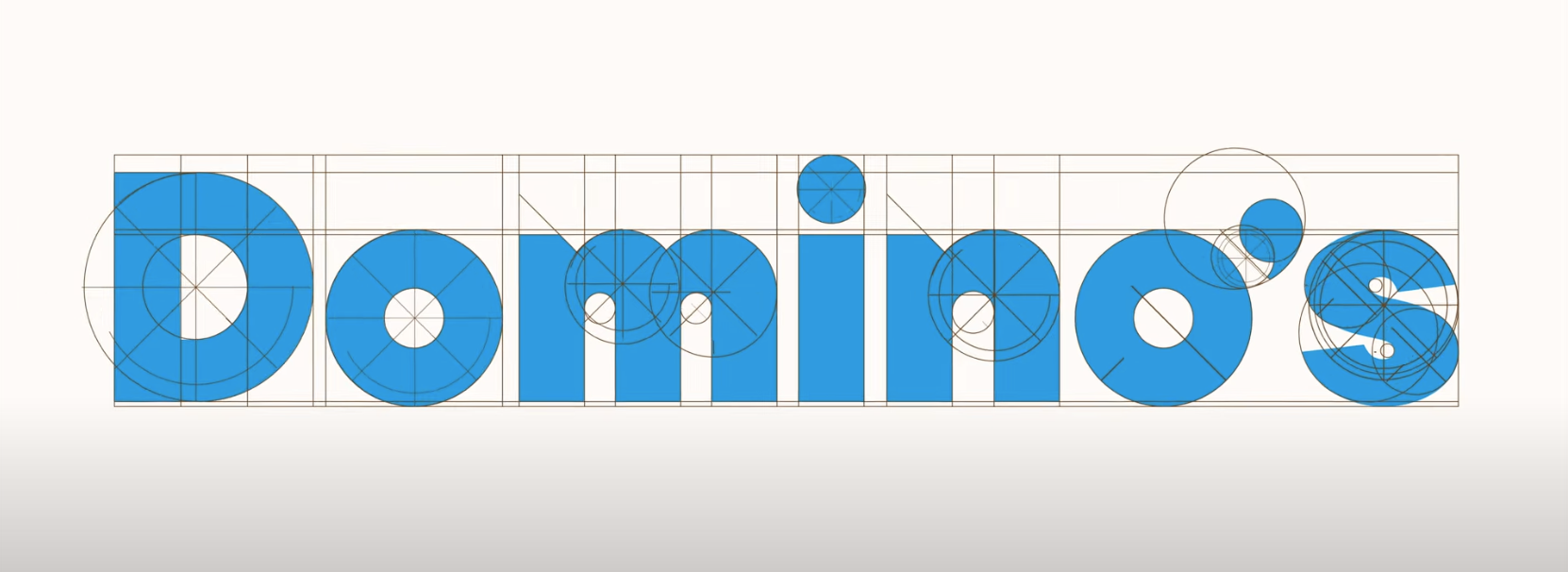
Domino’s has launched its first brand refresh in more than a decade as part of its “Hungry for MORE” strategy. The logo is sharper, the colors are richer, and the entire design feels brighter and more appetizing. The new look includes bolder typography through a custom typeface called “Domino’s Sans,” which features rounded letterforms that subtly echo pizza shapes. This gives the brand a more welcoming and modern feel.

The company also introduced something called the “cravemark.” It adds an audio and visual element that transforms the name “Domino’s” into a sound experience. The phonemic “mmm” in “Dommmmino’s” highlights the sensory appeal of the brand. To bring that to life, Domino’s partnered with artist Shaboozey, whose unique voice and cultural momentum add warmth and energy. His tone gives the jingle a soulful and memorable quality that helps Domino’s connect with younger audiences and music-driven culture.

Beyond the logo and jingle, the refresh extends to every customer touchpoint. The website, app, pizza boxes, employee uniforms, and store interiors have all been redesigned with this new look. Select menu items now arrive in elevated packaging that features black and metallic gold finishes, creating a more premium experience while keeping the brand approachable.

Why It Matters

This refresh is centered on craveability. Every design choice, from the color palette to the sound of the name, is meant to evoke hunger and excitement. Domino’s is shifting focus back to what matters most: delicious food and an engaging brand experience.

The company also managed to strike a balance between its heritage and modern appeal. The iconic red and blue colors remain, as does the familiar domino tile. What’s changed is how those elements appear. They feel cleaner, brighter, and more full of life. It feels like an evolution, not a departure.

In a crowded quick-service landscape, Domino’s is reminding consumers that food is both visual and emotional. Whether you are hearing the new “mmm” jingle or spotting the redesigned pizza box, the refresh creates a consistent and craveable experience across every platform.

What Works and What Might Be Risky

What Works:

  • The update feels confident and well-timed rather than reactive.

  • The “cravemark” and Shaboozey collaboration bring personality and cultural relevance.

  • Consistency across digital, physical, and audio branding strengthens recognition.

What Might Be Risky:

  • Some loyal customers may resist change to a familiar logo.

  • The rollout needs to be executed evenly across stores and regions to maintain brand integrity.

  • The jingle could feel polarizing if overused or taken too literally.

The Short of it

Modern branding is no longer just visual. It involves every sense, from sight to sound to emotional resonance. The collaboration with Shaboozey shows how a brand can use music and voice to connect authentically with its audience. When sound becomes part of brand identity, it builds recognition and emotional connection faster than visuals alone.

The key takeaway is that evolution can be bold without breaking tradition. Domino’s kept its familiar essence while turning up the flavor and energy for today’s digital-first audience.

When the Ad Is About Making an Ad: Beats’ “They Stay in Your Ears” Campaign

Rebecca Rothstein October 6, 2025

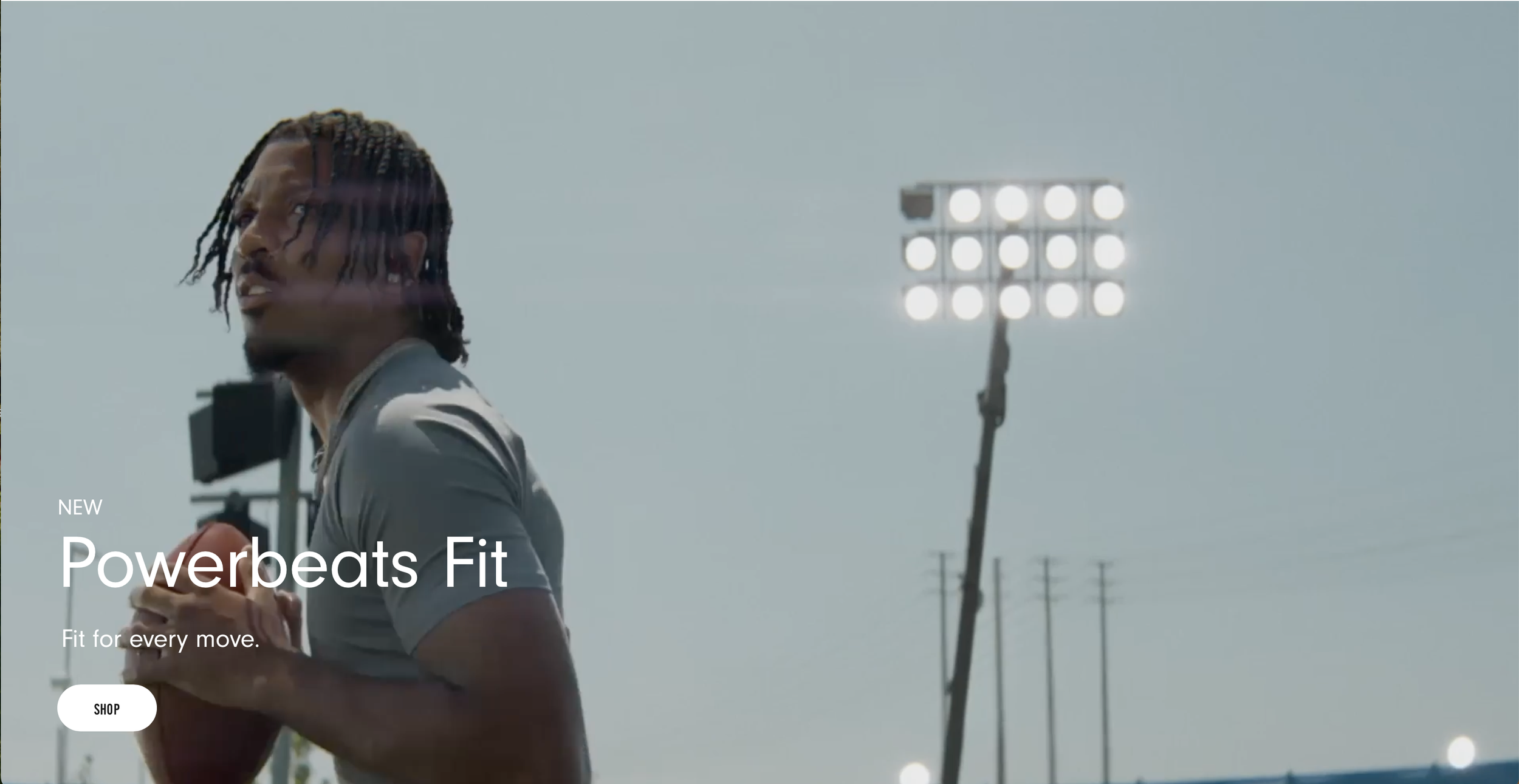
Every so often, a commercial comes along that doesn’t just promote a product but reflects on the nature of advertising itself. That’s exactly what Beats and creative agency Mirimar achieved with their new Powerbeats Fit campaign, “They Stay in Your Ears.” The spot places star athletes inside a mock audition, rehearsing for a commercial while showing off the earbuds’ biggest selling point: they actually stay put. It’s clever, funny, and a little meta, especially for anyone who works in the ad world.

What the Ad Does

The three-minute spot stars Saquon Barkley, Justin Jefferson, and Jayden Daniels as they compete for a role in a Beats commercial. Their challenge? Perfectly deliver the single line, “They stay in your ears.”

We watch them rehearse, test the earbuds through workouts, stumble through lines, and joke their way through the process. It’s part behind-the-scenes mockumentary and part product demo. The concept highlights both the product’s performance and the athletes’ personalities, all while poking fun at the ad-making process itself. In the end, Daniels wins the part while the others fumble, giving the campaign a clear punchline that feels both playful and on-brand.

Why It Feels Meta to the Ad Industry

For those who work in marketing or production, this campaign hits a little differently. It’s a commercial about making a commercial, complete with auditions, direction, and all the chaos that comes with it. Watching it feels like seeing your own world reflected back through a sleek, tongue-in-cheek lens.

There’s something oddly satisfying about the transparency. Beats is showing the machinery of advertising while still delivering a polished final product. It’s confident and self-aware, the kind of approach that says, “We know this is an ad and we’re in on the joke.”

Why It Works (and What It Risks)

What Works

  • Strong storytelling with product integration: The narrative reinforces the earbuds’ promise by showing them perform under pressure.

  • Humor and star power: Famous athletes in an audition setting bring personality and lightness to the message.

  • High shareability: The ad’s structure invites commentary within both pop culture and creative circles.

  • Smart balance of tone: It’s funny, sharp, and self-aware without feeling smug.

What Could Be Risky

  • The meta setup might go over some viewers’ heads if they don’t recognize the “ad within an ad” concept.

  • A few might remember the humor more than the product.

  • The mockumentary tone could feel too niche if not executed perfectly.

What Marketers Can Learn

This campaign shows how powerful it can be to tell stories about the creative process itself. When done well, that transparency builds intrigue rather than distraction. It also demonstrates how meta storytelling can make a brand feel modern and culturally aware without losing sight of its core message.

For creators, it’s a reminder that the best work doesn’t always come from reinventing the wheel, sometimes it’s about reframing the process and inviting the audience behind the curtain.

The Short of it

Beats’ “They Stay in Your Ears” is more than a clever tagline. It’s a layered story about performance, confidence, and craft. For those in the ad world, it’s a wink to the process we all know too well. And for viewers, it’s a smart, funny campaign that turns a simple product truth into something memorable.

Understanding Generations: From Boomers to Gen Alpha

Rebecca Rothstein September 30, 2025

Generations shape the way we see the world, the way we communicate, and even the way we spend our money. For marketers, business leaders, and everyday observers of culture, knowing the differences — and similarities — across age groups can be incredibly powerful. Let’s take a closer look at the main generational cohorts influencing today’s conversations.

Baby Boomers (born 1946–1964)
Boomers grew up in a post-war era of growth and optimism. They are known for their work ethic, loyalty, and value placed on stability. Many are now retired or nearing retirement, but they continue to hold significant buying power and are highly engaged consumers when it comes to travel, healthcare, and financial services.

Generation X (born 1965–1980)
Often called the “middle child” of generations, Gen X values independence and practicality. They grew up with both analog and digital experiences, making them adaptable and resourceful. This group tends to be skeptical of traditional advertising but deeply loyal once trust is earned.

Millennials (born 1981–1996)
Millennials came of age during the rise of the internet and social media. They are tech-savvy, community-driven, and prioritize experiences over possessions. This generation values authenticity from brands and tends to align their spending with their values. As they move deeper into their peak earning years, their influence continues to grow.

Generation Z (born 1997–2012)
Digital natives from the start, Gen Z has never known a world without smartphones and streaming. They are socially conscious, entrepreneurial, and quick to adopt new platforms. Short-form video and interactive content are second nature to them, and they expect brands to not just sell, but to stand for something.

Generation Alpha (born 2013–present)
The youngest generation is still taking shape, but already they are surrounded by technology, AI, and highly personalized digital experiences. Alphas are being raised in a world where global connection and innovation are constants. While their consumer behaviors are still emerging, they are set to be the most tech-integrated generation yet.

The Short of it
Understanding generational differences isn’t about boxing people in — it’s about recognizing context. Each group has been shaped by the events, technology, and culture of their formative years. For businesses and brands, speaking to these groups effectively means meeting them where they are, respecting their values, and acknowledging what makes them unique.

The Rise of Panoramic Reels on Instagram: Cinematic Strips in a Vertical World

Rebecca Rothstein September 26, 2025

Instagram has trained us all to scroll through endless vertical videos. But now, a new format is breaking that mold: panoramic or ultra-wide Reels. These are striking, cinematic strips of video that cut through the noise, grabbing attention simply by looking different. And some brands are already showing how effective this format can be.

What Are Panoramic Reels?

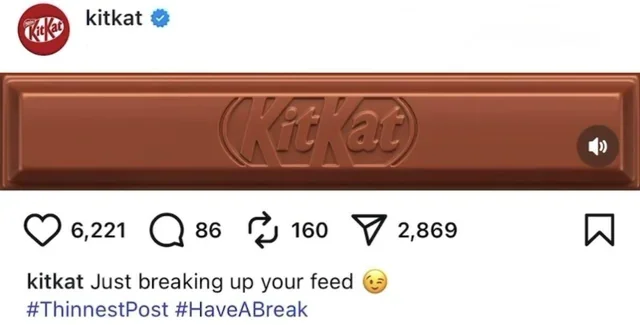
Panoramic Reels use an ultra-wide aspect ratio (like 5120×1080) to create a long, narrow strip of content across the screen. Instead of filling the vertical frame, these Reels look like a scene from a film or a moving billboard. The effect is surprising, sleek, and undeniably eye-catching.

Why People Are Loving the Trend

  • Pattern disruption: In a feed dominated by vertical clips, a wide strip instantly stands out.

  • Cinematic storytelling: Even simple moments look elevated when presented in widescreen.

  • Creative re-framing: Brands can repurpose existing footage, crop it differently, and give it new life.

The Short of it

The panoramic Reel is more than a passing experiment — it’s proof that sometimes the smallest shift in framing can change everything. For brands looking to stand out, adopting this style early could mean higher engagement and a stronger visual identity.

← NewerOlder →

Search Posts

Archive Block
This is example content. Double-click here and select a page to create an index of your own content. Learn more
Post Archive
  • Photography
 

Featured Posts

Featured
Jan 29, 2026
When a Tweet Goes Too Far: What the Deleted Ritz Crackers Post Tells Us About Brand Voice
Jan 29, 2026
Jan 29, 2026
Jan 6, 2026
What to Expect from Super Bowl Ads This Year
Jan 6, 2026
Jan 6, 2026
Dec 3, 2025
Creativity Is Not a Commodity
Dec 3, 2025
Dec 3, 2025
Nov 27, 2025
Everlane’s New Logo: A Fresh Look for a New Chapter
Nov 27, 2025
Nov 27, 2025
Nov 20, 2025
The Rise of Tween Skincare: Why the Best Trend Might Be Letting Kids Be Kids
Nov 20, 2025
Nov 20, 2025
Oct 31, 2025
The Evolution of Halloween Marketing: From Candy Craze to Pop Culture Phenomenon
Oct 31, 2025
Oct 31, 2025
Oct 28, 2025
Nostalgia Meets Strategy: The Marketing Magic Behind 7UP’s “Shirley Temple”
Oct 28, 2025
Oct 28, 2025
Oct 24, 2025
Why @breakingandenteringmedia’s Feed Feels Like Home for Marketers
Oct 24, 2025
Oct 24, 2025
Oct 21, 2025
Taking the Leap: My First Weeks as a Agency Founder
Oct 21, 2025
Oct 21, 2025
Oct 16, 2025
When Parenthood Becomes Teamwork: Huggies’ “Do It for the Team” Campaign
Oct 16, 2025
Oct 16, 2025