• Welcome
  • Blog
  • Contact
  • Behind The Shorts
  • Old Friends
  • Previous Press
Menu

The Shorts

THE SHORTS
  • Welcome
  • Blog
  • Contact
  • Behind The Shorts
  • Old Friends
  • Previous Press
×

The Art and Craft of Super Bowl Ads

Rebecca Rothstein September 26, 2025

The Super Bowl may be the biggest sporting event of the year, but for many people, the commercials are just as exciting as the game itself. These ads aren’t just 30-second spots — they’re cultural moments, created with the kind of care and creativity usually reserved for blockbuster films.

The Creative Spark
Every great Super Bowl ad starts with a big idea. Whether it’s humor, nostalgia, or heart, the goal is to create something memorable enough to stand out on one of the most competitive advertising stages in the world. Brands know they have only seconds to capture attention, so the concepts are often bold, emotional, or unexpected. A talking animal, a celebrity cameo, or a touching storyline — the creative execution has to be sharp and universally engaging.

Production Value at Its Peak
Super Bowl ads are famous for their cinematic quality. Productions often rival Hollywood movies, with elaborate sets, custom music, and A-list directors. Many brands invest millions not just on the airtime, but on the actual production itself, knowing that flawless visuals and storytelling are essential to justify the moment. From high-end cinematography to special effects, these spots are designed to look and feel like short films.

The Pressure of the Spotlight
What makes these ads different from others is the sheer weight of expectation. Hundreds of millions of people are watching, and reactions are instant, shared in real time across social media. That means every detail — casting, music, timing, and even the emotional tone — has to be carefully calibrated. A misstep can spark criticism just as quickly as a clever moment can go viral.

Beyond the Game
What’s unique about Super Bowl commercials is that they live far beyond the broadcast itself. Teaser campaigns, behind-the-scenes content, and post-game discussions extend their reach. The production teams know they aren’t just making a one-off ad — they’re creating cultural content that will be rewatched, shared, and debated for weeks, if not years.

The Short of it
Super Bowl ads highlight the very best of creative marketing and production. They’re proof of what happens when imagination meets investment, and when storytelling is elevated to an art form. For audiences, they’re entertainment. For brands, they’re a chance to make history in less than a minute.

AI-Driven Personalization: The Future of Customer Experience

Rebecca Rothstein September 25, 2025

If there’s one marketing trend that’s impossible to ignore in 2025, it’s AI-driven personalization. Consumers are no longer satisfied with one-size-fits-all campaigns. They want brands to understand their preferences, anticipate their needs, and deliver experiences that feel uniquely designed for them. That’s where artificial intelligence is stepping in.

What It Means
AI-driven personalization uses data, machine learning, and predictive models to deliver content, product recommendations, and experiences tailored to individual users. Instead of broad demographic buckets, AI looks at real behaviors and adapts in real time. From personalized emails to dynamic website content, AI makes it possible to speak to customers on a one-to-one level.

Why It Matters
Personalization builds trust, loyalty, and stronger connections. It makes consumers feel seen and valued, which translates into higher engagement and better conversion rates. But it’s not just about sales. Done right, AI personalization enhances the customer experience in ways that build long-term brand equity.

How It’s Showing Up

  • Streaming platforms recommending your next favorite show

  • Online retailers curating shopping pages unique to your browsing habits

  • Brands adapting social ads based on real-time engagement patterns

The Short of it
AI-driven personalization is no longer futuristic — it’s here, and it’s quickly becoming the norm. Brands that embrace it thoughtfully, balancing innovation with respect for privacy, will be the ones that stay ahead.

When a TikTok Joke Became a Brand Win: The “Anthropologie Rock” Trend

Rebecca Rothstein September 24, 2025

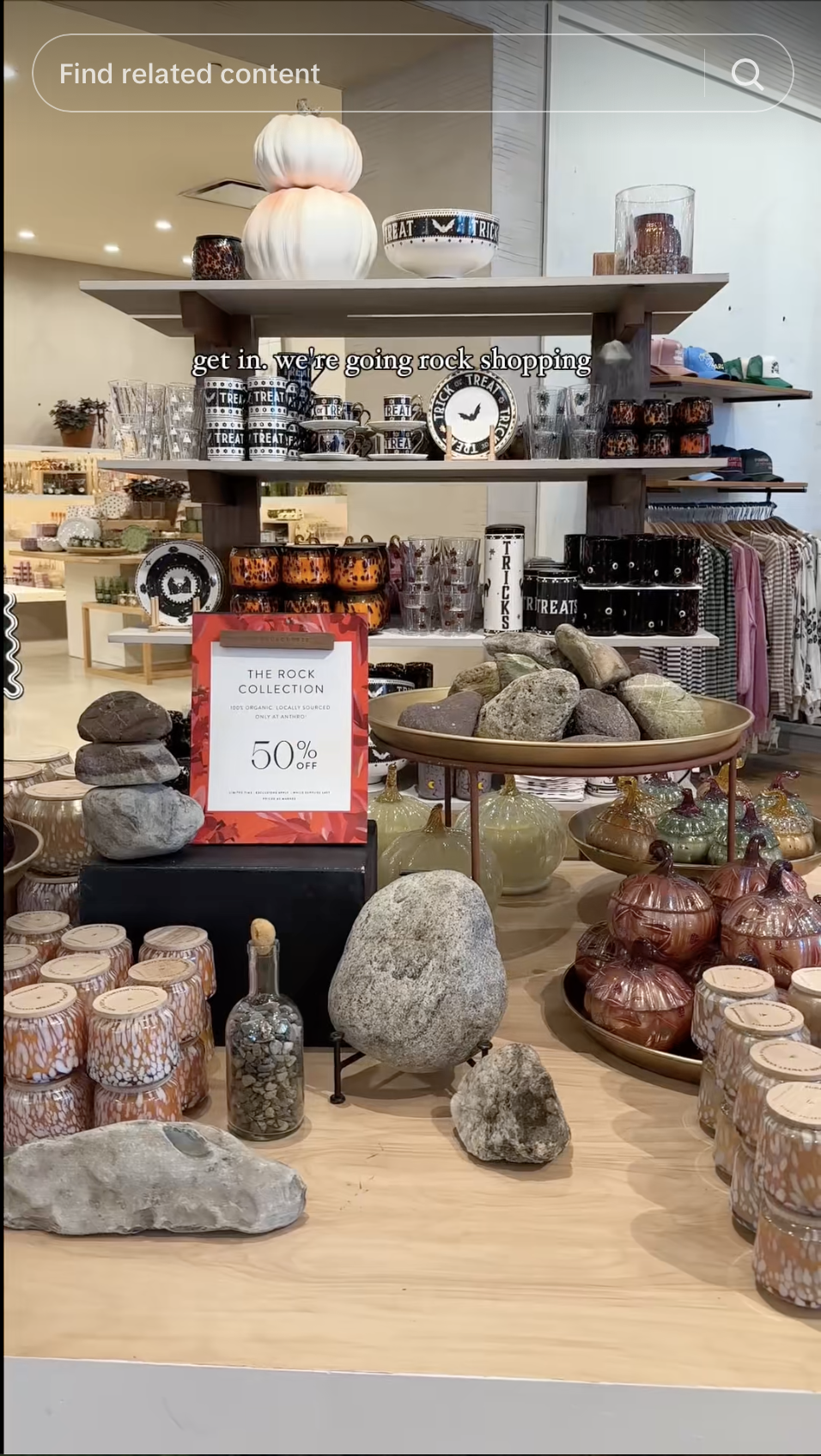
Sometimes a trend starts as a joke—and then becomes something much bigger. That’s exactly what happened recently with the “Anthropologie rock” TikTok videos. It began with creators pretending they bought a rock from Anthropologie—yes, a literal stone—for $150 (or more), capturing reactions from friends, partners, and families. The internet exploded. Confusion, laughter, disbelief. And Anthropologie? They didn’t hide. They leaned in.

What the Trend Was

  • It started with Phoebe Adams uploading a video in which she “unboxes” what seems like an ordinary rock, saying she bought it from Anthropologie. Her partner’s reaction (“You spent how much on a rock?”) captured exactly the blend of absurdity and brand culture people expected.

  • The prank continued: people filmed loved ones’ shocked expressions, joking about “$1,000 rocks” in store. It grew fast. Millions saw it. The “Anthro rock” became shorthand for those bizarre, borderline believable Anthropologie decor prices.

How Anthropologie Responded (and Why It Worked)

  • Instead of ignoring or condemning the trend, Anthropologie joined in. They posted videos joking about their own “rock collection” priced outrageously (think “$1,000 rocks” with 50% off signs), playing on the absurdity of the idea.

  • They leaned into what people already believed about their brand: that some home items are quirky, decorative, and pricey. Because let’s face it: Anthropologie has a reputation for whimsical, artistic, and “boho-home” decor where customers sometimes wonder, “Well, maybe that is expensive just because it is unique.” The brand’s identity made the prank believable—and that gave Anthropologie space to respond with humor.

Why This Trend Resonated (and What It Taught Us)

  • Believability + surprise: The reason people laughed so hard (and also so hard rolled their eyes) is that Anthropologie feels like the sort of place that could sell a $150 rock. So the prank worked because it played on brand perception.

  • Humor + authenticity: By leaning into the joke rather than acting defensive, Anthropologie showed a kind of self-awareness that people respect. The brand didn’t act out of outrage or damage control. They embraced the absurdity. That builds affinity.

  • Trend mastery: Anthropologie’s response turned the trend into a secondary opportunity—engagement, buzz, conversation. The trend was free advertising. Every share, every parody, every knock-off video drove attention back to them.

Takeaways for Brands and Marketers

  • If your brand has strong identity quirks (price, style, aesthetic), people will riff on them. Sometimes those riffs become viral. Staying rigid or denying them can feel tone-deaf.

  • Leaning in with humor can be powerful—but timing, tone, and knowing your audience matter. Anthropologie lined up the response quickly and in their voice.

  • These moments can reinforce brand positioning. Anthropologie didn’t need to defend being eccentric or pricey—they already were. This trend helped underline that image, for better or worse, in a playful way.

The Short of it

The “Anthropologie rock” trend is a reminder that in social media, culture is created by everyone—not just brands. Sometimes being a part of the joke is better than trying to shut it down. Anthropologie’s embrace of the trend shows how a brand can transform what could be mockery into charm, engagement, and even loyalty. It’s weird, it’s funny, and it reveals something true: authenticity, humor, and good timing still matter more than perfection.

And here’s their TikTok that is blowing up the internet. Enjoy!

Answer Engine Optimization: Marketing Beyond Search

Rebecca Rothstein September 24, 2025

With AI assistants and chatbots becoming the way many people “search,” a new discipline is emerging: Answer Engine Optimization (AEO).

What It Means
Instead of typing keywords into Google, people now ask Siri, Alexa, or ChatGPT-style engines for answers. AEO is about structuring your content so these platforms can find it, understand it, and serve it back clearly.

Why It Matters
Traditional SEO is still important, but AEO positions your brand to show up in the next wave of search — direct answers. That means visibility where people are shifting their attention.

How It’s Showing Up

  • FAQ-rich content designed for conversational queries

  • Schema markup that makes content more “answer-friendly”

  • Brands tailoring copy to natural language rather than robotic keyword strings

The Short of it
Search isn’t disappearing. It’s evolving. Optimizing for answers now ensures your brand remains discoverable tomorrow.

Short-Form Video: Bite-Sized Content, Big Impact

Rebecca Rothstein September 19, 2025

Scroll any feed and you’ll see it: quick, punchy videos grabbing attention instantly. Short-form content isn’t just a trend — it’s the default format for an entire generation.

What It Means
Platforms like TikTok, Instagram Reels, and YouTube Shorts prioritize videos under a minute. The goal is simple: capture attention quickly and keep people watching.

Why It Matters
Short-form video fuels engagement, boosts discoverability, and allows brands to show personality fast. It’s also incredibly shareable, making it a growth engine for organic reach.

How It’s Showing Up

  • Quick tutorials and product demos

  • Behind-the-scenes peeks at brand culture

  • Playful trends and challenges that ride cultural waves

The Short of it
Brands that master short-form storytelling can build deep connections in seconds. Attention spans may be shrinking, but the impact is bigger than ever.

Voice and Visual Search: The Next Frontier

Rebecca Rothstein September 17, 2025

Typing is optional. People are now using voice and visuals to find what they need.

What It Means
Voice search uses natural language queries on smart speakers and phones. Visual search allows users to upload or scan an image to find similar products or information.

Why It Matters
These tools make discovery more intuitive. Brands that optimize for voice and image search can capture audiences in moments of curiosity or intent.

How It’s Showing Up

  • Shoppers snapping photos of outfits to find similar looks online

  • Smart speakers answering local business questions

  • Retailers optimizing product images for search compatibility

The Short of it
Voice and visual search aren’t futuristic anymore — they’re mainstream. Optimizing for them now gives brands a competitive edge.

When Fashion Meets Purpose: Noah Wyle, FIGS, and a Tuxedo with a Message

Rebecca Rothstein September 16, 2025

Every once in a while, a red carpet moment does more than turn heads. It tells a story. At the 77th Primetime Emmy Awards in September 2025, Noah Wyle delivered one of those moments. Wearing a custom tuxedo by FIGS — a company known for medical scrubs — Wyle didn’t just dress up for the night; he wove together his acting work, his advocacy, and a tribute to healthcare workers into what he referred to as “Black Tie Scrubs.”

What Happened & Why It Stands Out

  • The outfit: The tux was made in midnight blue with classic styling — peak lapels, clean tailoring — but infused with signature touches from FIGS. The inner collar of the dress shirt bears the phrase “Awesome Human,” echoing the brand’s slogan, “Awesome Humans Wear FIGS.” (Let’s just say subtle branding, big meaning.)

  • The inspiration: Wyle says the idea came during the Gotham Awards. After someone asked him if his tuxedo was as comfortable as the scrubs he wears on The Pitt, he challenged FIGS: make one that is. And they did. The result blends red carpet formality with the ease and empathy of healthcare apparel.

  • The symbolism: Wyle’s character on The Pitt is Dr. Michael “Robby” Robinavitch, so there’s an in-show tie to scrubs already. This tux wasn’t just a fashion statement — it’s a love letter to healthcare workers, people on the frontlines. It’s a rare red carpet piece that reaches beyond glamour to purpose.

The Significance: Why This Matters

  • Fashion as advocacy: It’s powerful when what someone wears becomes a platform. Wyle didn’t just choose a look; he used the look to highlight healthcare workers, to see them, to validate them. That shifts the red carpet from spectacle to statement.

  • Branding + authenticity: FIGS isn’t a luxury fashion house; it’s a brand built around function (scrubs), comfort, the medical community. Partnering with Wyle in this way pushes their identity outward: That their apparel matters not just in the operating room but in culture. It’s a bold move to extend beyond healthcare workplaces into red carpet visibility.

  • Cultural resonance: The timing feels especially relevant. With continuing conversations around healthcare, burnout, recognition of essential workers post-pandemic, mental health, etc., there’s an audience ready for these gestures of recognition. Wyle’s tuxedo doesn’t fix systemic issues, but it acknowledges them in a high profile way.

What This Teaches Us

  • Pieces with purpose can amplify both the wearer and the cause. When the aesthetic is aligned with the message, the impact feels more authentic.

  • Collaborations that push brand boundaries — like FIGS doing red carpet fashion — carry risk, but also the chance to reshape how people think about what that brand represents.

  • Visibility matters. Whether it’s what gets said on stage or what’s worn walking in, these moments shape stories about identity, values, and respect.

The Short of it

Noah Wyle’s Emmys tuxedo isn’t just a stylish choice; it’s a statement about comfort, values, and recognition. It’s proof that fashion still has power beyond glamour. When it comes wrapped in intention, people notice. When businesses, artists, and brands come together with vision and respect, it becomes something more than what meets the eye.

Social Commerce: Shopping Where You Scroll

Rebecca Rothstein September 16, 2025

The line between social media and online shopping is vanishing. Social commerce is here to stay.

What It Means
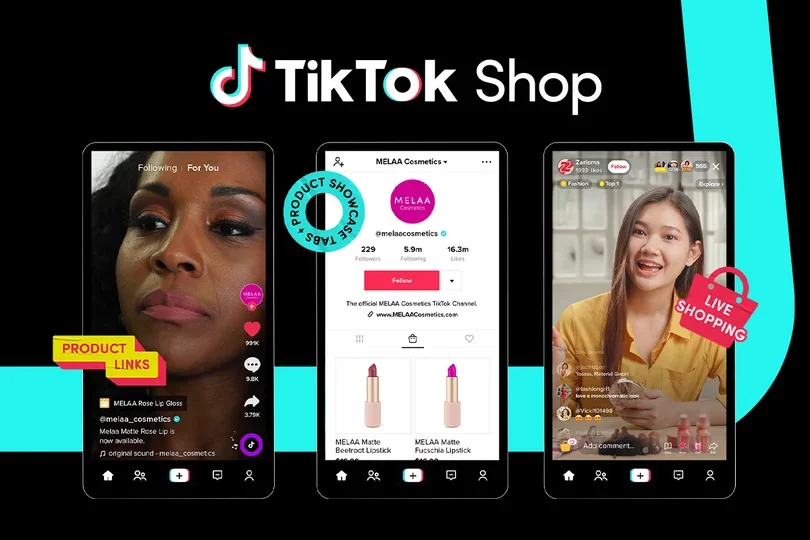
Social commerce integrates e-commerce directly into platforms like Instagram, TikTok, and Pinterest. It allows users to discover, evaluate, and purchase products without leaving the app.

Why It Matters
This creates frictionless shopping experiences. It meets customers where they already spend time and makes buying effortless.

How It’s Showing Up

  • TikTok “Shop Now” links tied to viral videos

  • Instagram Shops highlighting product collections

  • Live-stream shopping events hosted by influencers

The Short of it
For brands, social commerce is more than a sales channel — it’s a way to turn inspiration into instant action.

← NewerOlder →

Search Posts

Archive Block
This is example content. Double-click here and select a page to create an index of your own content. Learn more
Post Archive
  • Photography
 

Featured Posts

Featured
Jan 29, 2026
When a Tweet Goes Too Far: What the Deleted Ritz Crackers Post Tells Us About Brand Voice
Jan 29, 2026
Jan 29, 2026
Jan 6, 2026
What to Expect from Super Bowl Ads This Year
Jan 6, 2026
Jan 6, 2026
Dec 3, 2025
Creativity Is Not a Commodity
Dec 3, 2025
Dec 3, 2025
Nov 27, 2025
Everlane’s New Logo: A Fresh Look for a New Chapter
Nov 27, 2025
Nov 27, 2025
Nov 20, 2025
The Rise of Tween Skincare: Why the Best Trend Might Be Letting Kids Be Kids
Nov 20, 2025
Nov 20, 2025
Oct 31, 2025
The Evolution of Halloween Marketing: From Candy Craze to Pop Culture Phenomenon
Oct 31, 2025
Oct 31, 2025
Oct 28, 2025
Nostalgia Meets Strategy: The Marketing Magic Behind 7UP’s “Shirley Temple”
Oct 28, 2025
Oct 28, 2025
Oct 24, 2025
Why @breakingandenteringmedia’s Feed Feels Like Home for Marketers
Oct 24, 2025
Oct 24, 2025
Oct 21, 2025
Taking the Leap: My First Weeks as a Agency Founder
Oct 21, 2025
Oct 21, 2025
Oct 16, 2025
When Parenthood Becomes Teamwork: Huggies’ “Do It for the Team” Campaign
Oct 16, 2025
Oct 16, 2025